Red-Orange Acrylic Oil Painted Texture: A Strategic Tool for Creative and Operational Success
Red-orange acrylic oil painted texture is more than just a visual element—it’s a strategic resource that can be leveraged across multiple domains to enhance creativity, communication, and operational clarity. Whether you're an entrepreneur, marketer, educator, or hobbyist, understanding how to apply this texture intentionally can lead to better decision-making and long-term results.
The Strategic Value of Red-Orange Acrylic Oil Painted Texture
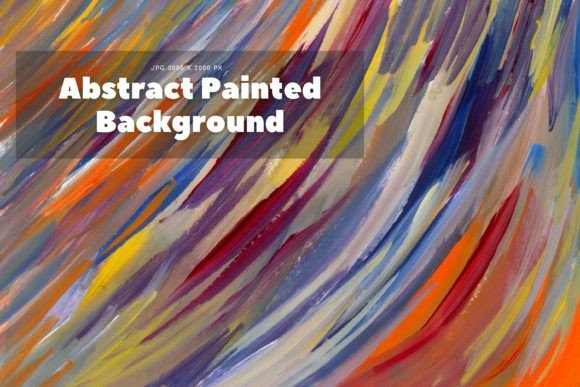
At its core, red-orange acrylic oil painted texture combines the vibrancy of red with the warmth of orange, creating a dynamic color palette that resonates emotionally and visually. This texture is often used in design, branding, and content creation to evoke energy, passion, and creativity. Its strategic value lies not only in its aesthetic appeal but also in its ability to communicate intent and emotion without words.
For instance, in marketing, red-orange tones are known to stimulate appetite and urgency, making them ideal for promotional materials, product packaging, and digital campaigns. In education, these colors can be used to highlight key concepts, create engaging learning environments, or even support cognitive development by stimulating attention and memory retention.
Why Strategic Use Matters
While red-orange acrylic oil painted texture can be powerful, it's important to recognize that its impact depends on context and intention. Using it randomly or without clear goals may lead to confusion, misalignment, or even negative outcomes. For example, applying this texture in a professional setting without considering brand identity or audience preferences could dilute messaging or create a disjointed user experience.
Strategic use means aligning the texture with specific objectives—whether that's enhancing brand recognition, improving user engagement, or supporting creative expression. It also involves understanding the psychological and cultural associations of the color, as well as the technical aspects of how it interacts with other design elements.
When to Use Red-Orange Acrylic Oil Painted Texture
The right time to incorporate red-orange acrylic oil painted texture is when you need to capture attention, convey energy, or create a sense of urgency. Here are some practical scenarios:
- Product Launches: Use red-orange textures to create eye-catching visuals that stand out in a competitive market.
- Brand Identity Development: Integrate the texture into logos, packaging, or website designs to reinforce brand personality and emotional connection.
- Marketing Campaigns: Apply it to promotional assets to drive conversions and increase engagement.
- Learning Materials: Use it to highlight key information, create interactive visuals, or support visual learning techniques.
- Interior Design: Incorporate the texture into wall art, decor, or furniture to add depth and character to a space.
Each of these applications requires thoughtful planning and alignment with broader goals. Whether you're aiming to boost sales, enhance brand loyalty, or improve user experience, the texture should serve a purpose beyond aesthetics.
How to Approach Red-Orange Acrylic Oil Painted Texture
Approaching red-orange acrylic oil painted texture strategically involves several key steps:
- Define Objectives: Clearly outline what you hope to achieve with the texture—whether it's increasing visibility, improving engagement, or supporting a creative vision.
- Understand Your Audience: Consider how your target audience perceives the color and texture. Does it resonate with their values, preferences, or emotions?
- Test and Refine: Experiment with different applications and formats to see what works best. Use feedback to refine your approach.
- Ensure Consistency: Maintain consistency across all platforms and materials to build brand recognition and trust.
- Balance with Other Elements: Avoid overuse or overwhelming the viewer. Pair the texture with complementary elements to maintain visual harmony.
By following these steps, you can ensure that red-orange acrylic oil painted texture becomes a valuable asset rather than a distraction.
Practical Examples and Use Cases
Let’s explore a few real-world examples where red-orange acrylic oil painted texture has been used effectively:
Example 1: E-commerce Branding
A small fashion brand used red-orange acrylic oil painted textures in their product images and packaging to create a bold, artistic brand identity. The result was increased customer engagement and a 25% rise in sales within three months.
Example 2: Educational Content
An online course platform incorporated red-orange textures into their course thumbnails and infographics. This helped users quickly identify high-energy content and improved click-through rates by 18%.
Example 3: Interior Design
A boutique interior design studio used the texture in their portfolio visuals to showcase unique, artistic spaces. This helped attract clients looking for creative, personalized design solutions.
These examples demonstrate how the texture can be applied in diverse contexts to achieve specific outcomes. The key is to match the texture to the goal and audience.
Risks of Misusing Red-Orange Acrylic Oil Painted Texture
While red-orange acrylic oil painted texture offers many benefits, misuse can lead to unintended consequences:
- Overstimulation: Too much of the texture can overwhelm the viewer, leading to decreased engagement or negative reactions.
- Misalignment: If the texture doesn't align with brand identity or audience expectations, it can create confusion or reduce credibility.
- Visual Clutter: Poorly applied textures can make content appear unprofessional or difficult to navigate.
- Missed Opportunities: Focusing too much on the texture can distract from the core message or product offering.
To avoid these risks, always consider the context, audience, and overall strategy before incorporating the texture into your work.
Long-Term Value and Strategic Planning
Red-orange acrylic oil painted texture is not just a short-term design choice—it can contribute to long-term success when used thoughtfully. By integrating it into your strategic planning, you can create consistent, impactful experiences that resonate with your audience and support your goals.
Consider how the texture can be part of a larger visual strategy. For example, if you're building a brand, the texture can be a recurring element in your logo, website, and marketing materials. Over time, this can help establish a recognizable and emotionally connected brand identity.
Similarly, in educational or creative settings, the texture can be used consistently to support learning, creativity, or innovation. This creates a sense of continuity and reinforces the value of your work.
Ultimately, the strategic use of red-orange acrylic oil painted texture is about intentionality. When applied with purpose, it can enhance communication, creativity, and outcomes across various domains.
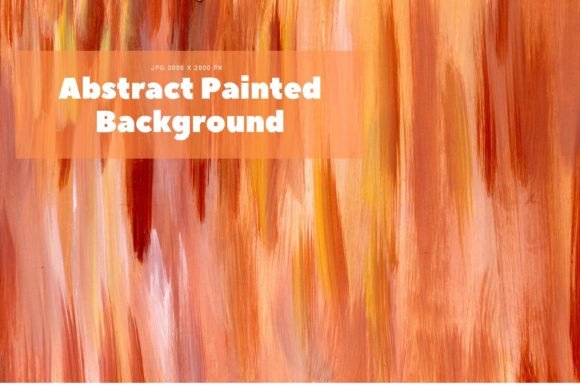
After downloading, you get a zip file containing a JPG – 300 DPI RGB 3000x2000 px image of the product on a white background. This high-quality image is perfect for use in marketing, presentations, or as a reference for your creative projects.
Subscribe to me and get news about my new products. I'm committed to providing you with valuable resources that support your goals and help you achieve better results. Thank you for visiting me. Leave your feedback and suggestions—I’m always looking for ways to improve and grow together.