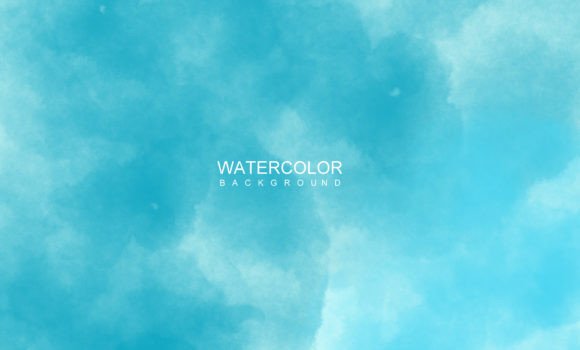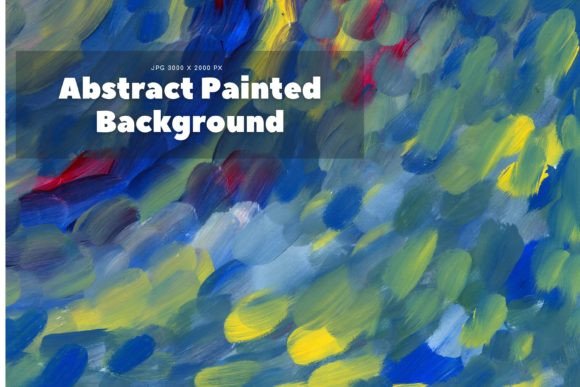
Exploring the Unique Aesthetic of Blue Acrylic Oil Painting Texture in Modern Art and Design
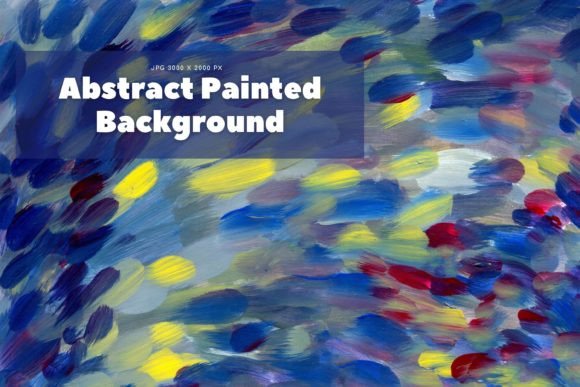
The fusion of acrylic and oil painting techniques has given rise to a distinctive visual language that captivates both artists and viewers alike. Among these hybrid styles, the **Blue Acrylic Oil Painting Texture** stands out for its depth, vibrancy, and emotional resonance. This unique texture is not just a surface finish but an artistic choice that influences how light interacts with the canvas, creating a dynamic interplay between color and form.
At its core, the **Blue Acrylic Oil Painting Texture** combines the versatility of acrylics with the richness of oil paints. Acrylics are known for their fast drying time and water-based properties, while oils offer a slower, more malleable medium that allows for layered, translucent effects. When blended, these materials create a textured surface that mimics the tactile qualities of traditional oil paintings but with the convenience and durability of acrylics.
One of the most compelling aspects of this texture is its ability to evoke emotion through color. Blue, as a dominant hue in this style, often conveys calmness, introspection, and depth. However, when combined with other colors and textures, it can also express energy, mystery, or even melancholy. Artists who incorporate the **Blue Acrylic Oil Painting Texture** into their work often use it to create a sense of movement within the piece, guiding the viewer’s eye across the canvas with subtle variations in tone and contrast.
The Process Behind Creating Blue Acrylic Oil Painting Texture
Creating the **Blue Acrylic Oil Painting Texture** involves a careful balance of technique and material selection. The process typically begins with a base layer of acrylic paint, which provides a quick-drying foundation. Over this, artists apply thin layers of oil paint, using brushes, palette knives, or even unconventional tools like sponges or rags to create texture.
The key to achieving the desired effect lies in layering. Each layer adds complexity to the surface, allowing for a richer depth that cannot be achieved with a single medium. For instance, applying a thin wash of blue acrylic over a white background can create a subtle gradient, which is then enhanced with oil glazes that add dimension and luminosity.
Artists may also experiment with different tools to manipulate the texture. A palette knife can be used to drag paint across the surface, creating ridges and peaks that mimic the brushstrokes of oil paintings. Alternatively, using a dry brush technique on top of wet acrylic layers can produce a grainy, almost impasto-like texture that enhances the visual interest of the piece.
Another important consideration is the drying time. Since acrylics dry faster than oils, artists must work quickly to blend the two mediums effectively. This requires a certain level of skill and practice, as improper blending can result in an uneven or unattractive texture.
Applications of Blue Acrylic Oil Painting Texture in Contemporary Art and Design
The **Blue Acrylic Oil Painting Texture** has found a place in various fields beyond traditional art, including interior design, fashion, and digital media. In interior design, this texture is often used on walls, furniture, and decorative elements to create a sophisticated, artistic ambiance. Its deep blues and rich textures make it ideal for spaces that aim to evoke serenity and elegance.
In the realm of fashion, designers have begun incorporating this texture into fabric prints and accessories. By printing the **Blue Acrylic Oil Painting Texture** onto textiles, they can achieve a three-dimensional effect that adds visual intrigue to garments and accessories. This technique is particularly popular in high-end fashion collections that emphasize craftsmanship and uniqueness.
Digital media has also embraced the **Blue Acrylic Oil Painting Texture**, especially in the creation of visual assets for websites, social media, and product photography. The texture can be applied as a background or overlay to enhance the aesthetic appeal of images without overwhelming the content. This makes it a valuable tool for branding and marketing strategies that prioritize visual storytelling.
Advantages of Using Blue Acrylic Oil Painting Texture
- Visual Depth: The layered application of acrylic and oil creates a multidimensional surface that draws the viewer in.
- Color Versatility: Blue serves as a versatile base that can be easily modified with other hues to suit different artistic visions.
- Durability: Acrylics provide a protective layer that enhances the longevity of the artwork, making it suitable for both indoor and outdoor use.
- Customizability: Artists can experiment with different tools and techniques to create a wide range of textures and effects.
- Cost-Effective: Combining acrylics and oils can be more economical than using only oil paints, especially for large-scale projects.
Despite its many benefits, the **Blue Acrylic Oil Painting Texture** also comes with some considerations. One challenge is the need for proper ventilation and safe handling of oil paints, which contain solvents that can be harmful if inhaled or ingested. Additionally, the texture may require more maintenance over time, especially in environments with high humidity or temperature fluctuations.
Case Studies: Real-World Use of Blue Acrylic Oil Painting Texture
One notable example of the **Blue Acrylic Oil Painting Texture** in action is a contemporary art exhibition that featured a series of wall installations. These pieces combined acrylic backgrounds with oil-textured overlays to create immersive environments that invited viewers to explore the interplay of light and shadow. The deep blue tones provided a calming backdrop, while the textured surfaces added a tactile element that enhanced the overall experience.
In another case, a designer used the **Blue Acrylic Oil Painting Texture** to create a custom mural for a boutique hotel. The mural was designed to reflect the theme of tranquility and sophistication, with the blue tones symbolizing calm and the textured surface adding a sense of depth and history to the space.
For digital applications, a fashion brand incorporated the **Blue Acrylic Oil Painting Texture** into their online catalog, using it as a background for product images. This helped to create a cohesive and visually appealing presentation that aligned with the brand’s artistic identity.
Practical Tips for Incorporating Blue Acrylic Oil Painting Texture
If you're interested in experimenting with the **Blue Acrylic Oil Painting Texture**, here are a few practical tips to get started:
- Start with a Base: Apply a thin layer of acrylic paint as your foundation. This will provide a stable base for the oil textures.
- Layer Gradually: Add oil paint in thin layers to avoid clumping and ensure even distribution.
- Use Tools Creatively: Experiment with different tools like palette knives, brushes, and sponges to achieve varied textures.
- Test Colors: Try different combinations of blue shades to see how they interact with other colors and textures.
- Allow Time to Dry: Let each layer dry completely before adding the next to prevent smudging and ensure a clean finish.
By following these steps, you can create a unique and visually striking piece that showcases the beauty of the **Blue Acrylic Oil Painting Texture**.
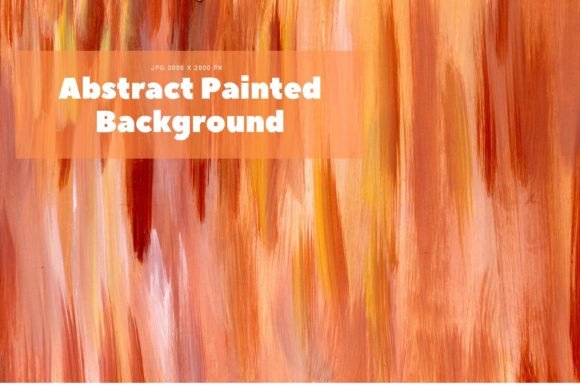
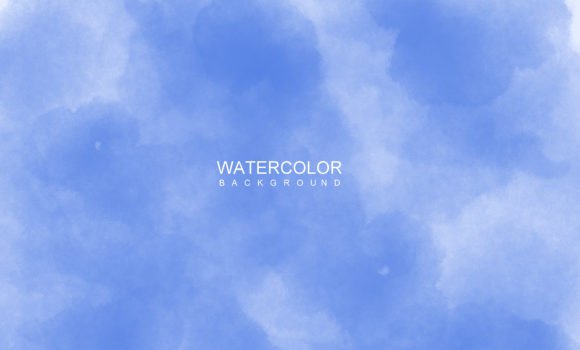
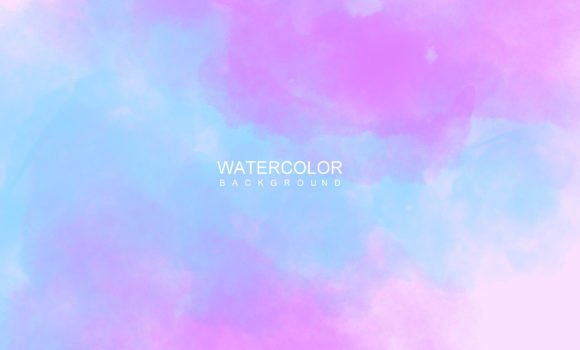
After downloading, you get 1 zip file •JPG – 300 DPI RGB 3000х 2000 px Image of product on a white background. This high-resolution image is perfect for use in print or digital media, ensuring that the details of your artwork are preserved with clarity and precision.
Subscribe to me and get news about my new products. Stay updated with the latest trends, techniques, and releases in the world of art and design. Whether you're a professional, hobbyist, or simply someone who appreciates creativity, there's always something new to discover.
Thank you for visiting me. Your support means the world to me, and I’m grateful for every visit, comment, and share. If you have any questions, feedback, or suggestions, please don’t hesitate to leave them below. Your input helps shape the future of what I create.